
Bridgeport Cop Took Ambulance Meant for Shooting Victim
A Connecticut Inspector General report reveals a Bridgeport officer redirected an ambulance from dying shooting victim Dyshan Best to a colleague with a panic attack.
The Connecticut Office of Inspector General ruled last week that a Bridgeport police officer acted within the law when he shot Dyshan Best in the back during a foot chase last March, but the report revealed troubling details about what happened in the 30 minutes after Best was wounded and dying on the pavement.
Best, 39, was shot twice by Officer Yoon Heo as police chased him through a gas station parking lot and into a junkyard off Kossuth Street. Heo fired when Best, who was carrying a 9 mm handgun, fled from officers. One bullet pierced Best’s back and lacerated part of his liver and kidney. He later died from his injuries.
The Inspector General concluded the shooting was justified. But the report raises serious questions about the medical response that followed.
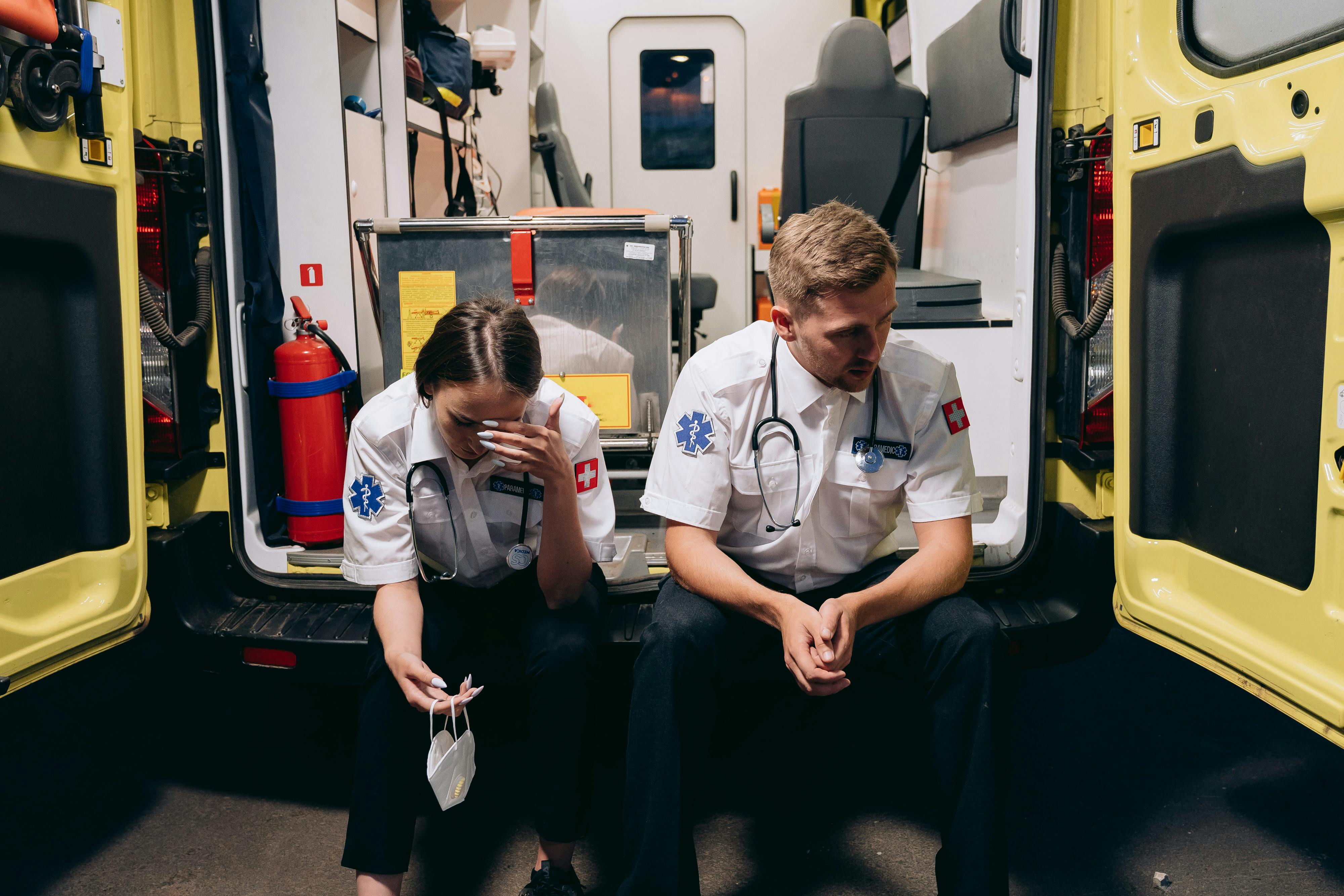
According to records reviewed by the Inspector General, the first ambulance arrived on scene around 6 p.m., shortly after the shooting was reported. The paramedics in that ambulance had already been told to expect a gunshot victim. Instead of transporting Best to Bridgeport Hospital, they were directed by officers to take Officer Erin Perrotta, who had participated in the foot chase and was classified as suffering from a “mild panic attack.”
Officers at the scene told the ambulance crew to “hurry up and take their partner,” according to ambulance company records cited in the report. On the way to the hospital, Perrotta declined any medical treatment. The ambulance records quote her directly: “I am fine. I just needed to get out of here.”
Responders then called a second ambulance. That delay meant Best lay wounded on the pavement for an additional 10 minutes, and it took nearly 30 minutes total for him to reach the hospital after being shot.
The Bridgeport Police Department did not immediately respond to the Inspector General’s findings. A lawyer for Best’s family did not return calls seeking comment.
For residents and community leaders in Bridgeport, the report landed hard, even as they try to support a grieving family.
“I think the community is trying to respect the family during this difficult time. But people are heartbroken and tired of feeling like this is yet another one of our Black men from the community lost,” said Bobbi Brown, President of the Greater Bridgeport NAACP. “Many believe this situation could have been handled differently. A father, a son, a brother, a life was lost. As community leaders, we want more, and we are hurt and exhausted by these repeated tragedies.”
Shaenna Taylor, a community advocate with Bridgeport Stronger Together, said the Inspector General’s ruling hit the city hard. “The community is devastated by the decision,” Taylor said. “It’s left our city confused and grieving, because we were hoping for accountability that would begin to heal. We respect the process, but we’re still hurting.”
The core question left unanswered by the Inspector General’s report is whether diverting that first ambulance affected Best’s survival chances. The report documents the timeline clearly. It does not make that medical determination.
What the report does document is a choice: officers directed the first available medical transport away from a man with a gunshot wound to the torso, and toward a colleague who, by her own account and by official classification, was experiencing a mild panic attack. That colleague refused treatment en route.
For a city that has spent years navigating difficult conversations about policing, race, and accountability, those details will not be easy to set aside. Bridgeport has a Black community that has seen enough of these investigations to know that a justified-shooting ruling rarely closes anything. It more often opens a new set of questions.
This one is no different. The shooting may have been lawful. What happened in the half-hour after is a separate matter, and one the city still owes answers on.