
Fairfield Development Proposal Advances to Public Scoping Meeting
The Judd's Homestead project at 980 High Street moves through the state environmental review process, one of several housing proposals navigating Connecticut's development landscape.
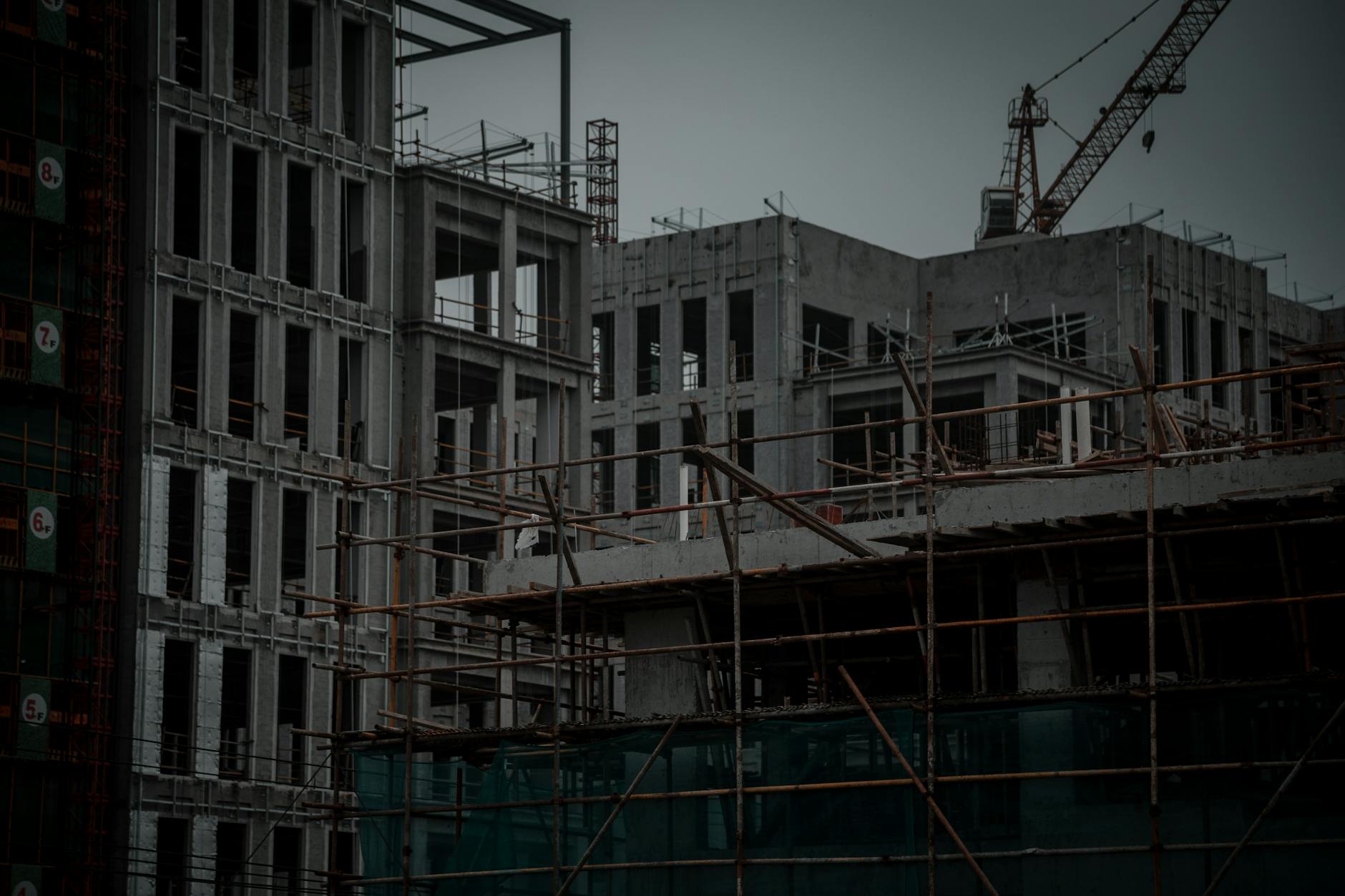
A residential development proposal in Fairfield advanced to a public scoping meeting this week as part of the state’s environmental review process, one of several housing projects navigating Connecticut’s regulatory landscape amid intensifying debate over development and affordability.
The Connecticut Environmental Quality Council scheduled the meeting for the Judd’s Homestead project at 980 High Street in Fairfield for Thursday at 4 PM, with public comments accepted through December 19.
The CEPA (Connecticut Environmental Policy Act) scoping process represents an early stage of environmental review, allowing officials to identify potential impacts requiring detailed study before a project can proceed.
Details of the Judd’s Homestead proposal—including unit count, density, and affordability components—will be presented at the meeting. The site on High Street sits in a largely residential area of town.
The review comes as Connecticut communities grapple with state mandates to expand housing production. Recent legislation has pushed municipalities to streamline approvals for certain developments, particularly those including affordable units, while local officials debate how to balance growth with neighborhood character concerns.
Fairfield has seen several significant development proposals in recent years, reflecting broader regional trends as Fairfield County’s housing costs continue rising faster than wages for many residents.
“Housing is the defining challenge for our region right now,” said Sarah Bronin, a land use expert at Cornell Law School and former chair of Connecticut’s housing council. “Every community is wrestling with how to create more opportunities while addressing legitimate concerns about infrastructure, schools, and character.”
Opponents of aggressive development often cite traffic, school capacity, and environmental impacts. Supporters argue that blocking housing perpetuates affordability crises and forces workers to commute from distant communities.
The public scoping meeting allows residents to raise concerns early in the review process. Comments received will help shape the scope of environmental analysis required before final decisions on the project.
Town officials declined to comment on the specific proposal ahead of the meeting.